
When it comes to caring for your cat, one of the most important decisions you’ll make is selecting the right food. A balanced diet is essential for your cat’s health, longevity, and overall well-being. With so many different brands, formulations, and flavors available, it can be overwhelming to know where to begin. Understanding your cat’s specific needs and preferences can guide you in choosing the right food.
Cats are obligate carnivores, which means their bodies are 貓糧推介 of any cat food. High-quality protein sources like chicken, turkey, fish, and beef should be at the top of the ingredient list. It’s also essential that the protein is easily digestible to ensure that your cat is getting the most nutrition from each meal. While some commercial cat foods include plant-based ingredients, cats are less efficient at digesting these, so meat should always take priority.
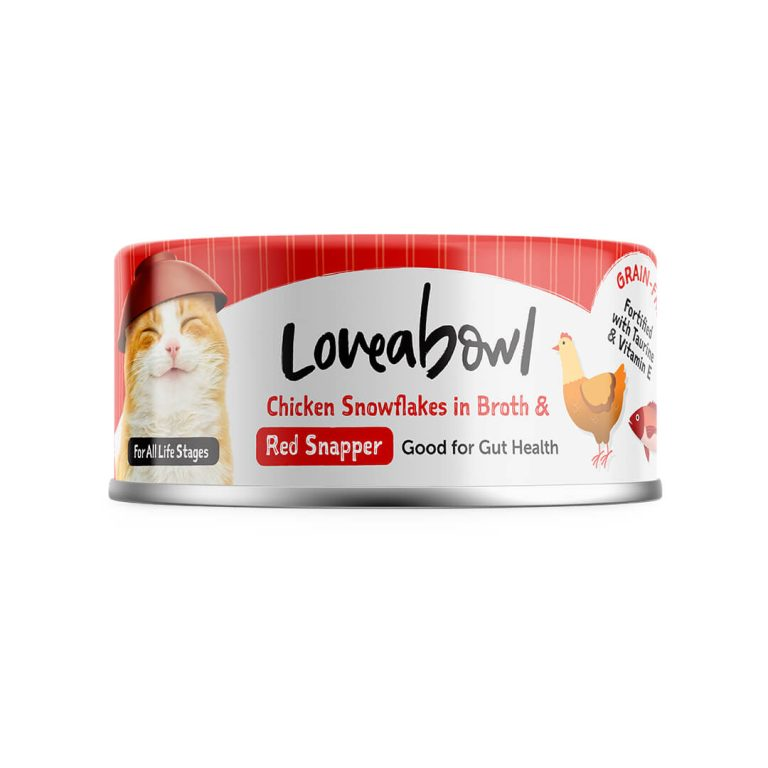
When selecting a cat food, you’ll encounter various types: dry kibble, wet food, and semi-moist food. Each type has its advantages and disadvantages. Dry kibble is convenient, cost-effective, and helps clean your cat’s teeth. However, it has a higher carbohydrate content, which might not be ideal for all cats, particularly those prone to obesity or diabetes. On the other hand, wet food contains more moisture, which is important for cats who may not drink enough water on their own. It’s also generally higher in protein and lower in carbs than dry food.
One factor to keep in mind when choosing cat food is your cat’s life stage. Kittens, adult cats, and senior cats have different nutritional needs. Kittens require more protein and fat to support their growth and development, while adult cats need a balanced diet to maintain their health. Senior cats may need food that’s easier to digest, with added nutrients like antioxidants and joint support to keep them active in their later years. There are also specific formulas for cats with special dietary needs, such as those with allergies, sensitivities, or medical conditions like kidney disease or obesity.
Another consideration is the quality of the ingredients. Premium brands tend to offer higher-quality meats and fewer fillers, like corn and soy, which are less nutritionally beneficial for your cat. Avoiding foods with excessive amounts of artificial preservatives, colors, or flavors is also important, as these can negatively impact your cat’s health over time. Look for cat foods that are made with natural ingredients and those that are rich in vitamins, minerals, and omega fatty acids to promote a shiny coat and overall good health.
Your cat’s preferences should not be underestimated. Cats can be picky eaters, and it may take some trial and error to find a food that they enjoy. However, it’s important to transition your cat to new food gradually to avoid digestive upset. Mix the old food with the new food over the course of several days, gradually increasing the proportion of the new food.
Ultimately, the best cat food is one that meets your cat’s specific nutritional needs and fits your budget. Consulting with your veterinarian is always a good idea, especially if your cat has special dietary needs or health concerns. With the right food, your cat will have the energy, vitality, and longevity to live a happy and healthy life.

