
Established in 1984, the company has continuously evolved, offering a wide range of products, including various types of contactors. These devices are essential for managing electrical circuits in both industrial and commercial applications, ensuring safety and efficiency.
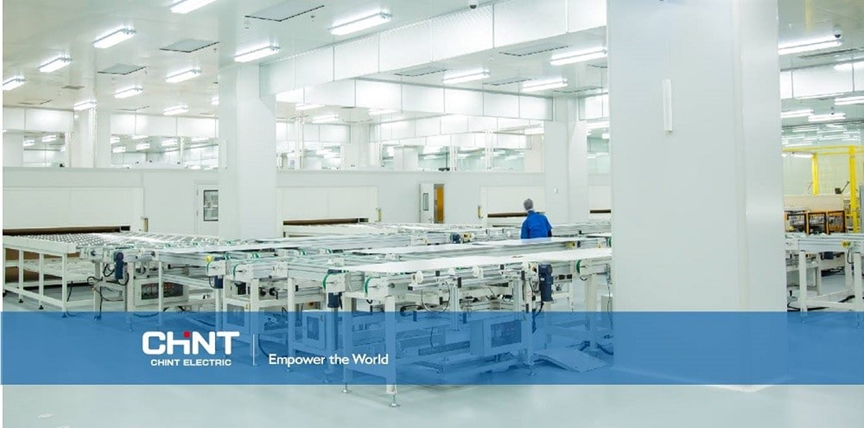
Types of Contactors Offered by CHINT
Among the different types of contactors, CHINT provides several models tailored to specific operational needs. The oldest type, the knife blade switch, operates manually using a lever to pull a metal strip up and down. While historically significant, this contactor has several drawbacks, including high arcing incidences that reduce its lifespan, safety risks, and susceptibility to moisture and dirt. Due to these concerns, the knife blade switch has largely been replaced by more advanced designs.
Another option available from CHINT is the manual contactor. This improved version retains manual operation but features double break contacts that enhance safety and functionality. These contacts can open the circuit at two points simultaneously, allowing for greater current management in smaller spaces. With a properly enclosed unit, this contactor ensures better protection for its internal components.
The most advanced option in CHINT’s lineup is the magnetic contactor. As a modern solution, this contactor operates automatically and is favored in industrial settings. Its design allows for safe operation while using minimal control current to open and close circuits, making it an efficient choice for businesses looking to optimize their electrical systems.
Conclusion
In conclusion, CHINT offers a comprehensive range of contactors suited for various applications. From the traditional knife blade switch to the innovative magnetic contactor, CHINT provides solutions that balance safety, efficiency, and reliability. Businesses leveraging these contactors can expect enhanced performance and longevity in their electrical operations, solidifying CHINT’s role as a leader in the industry.

